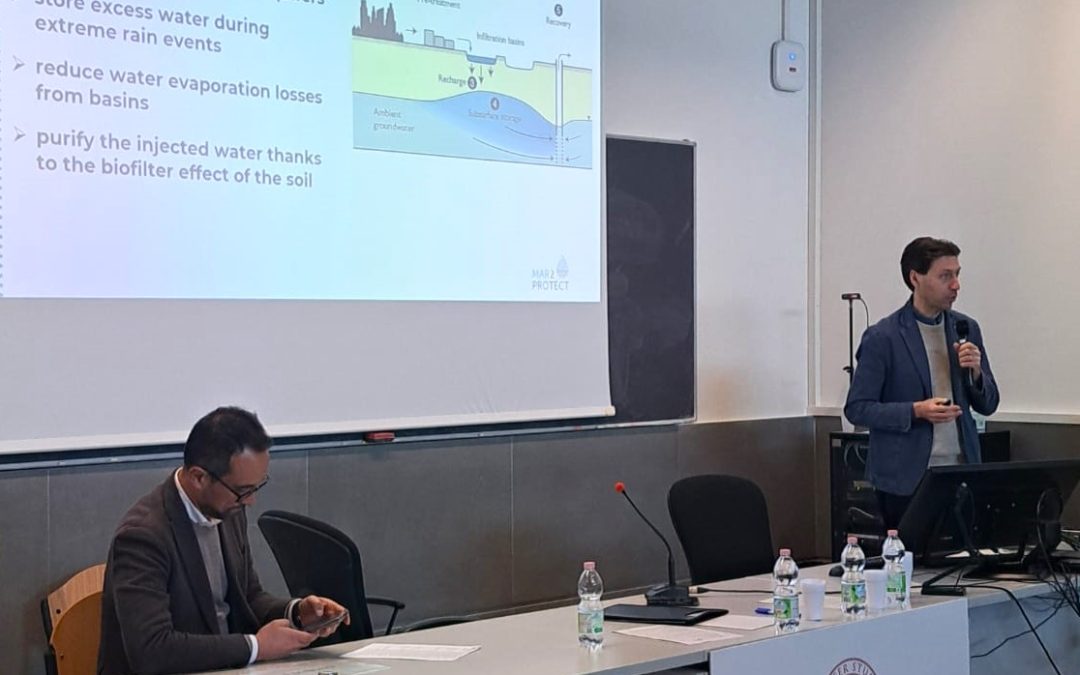
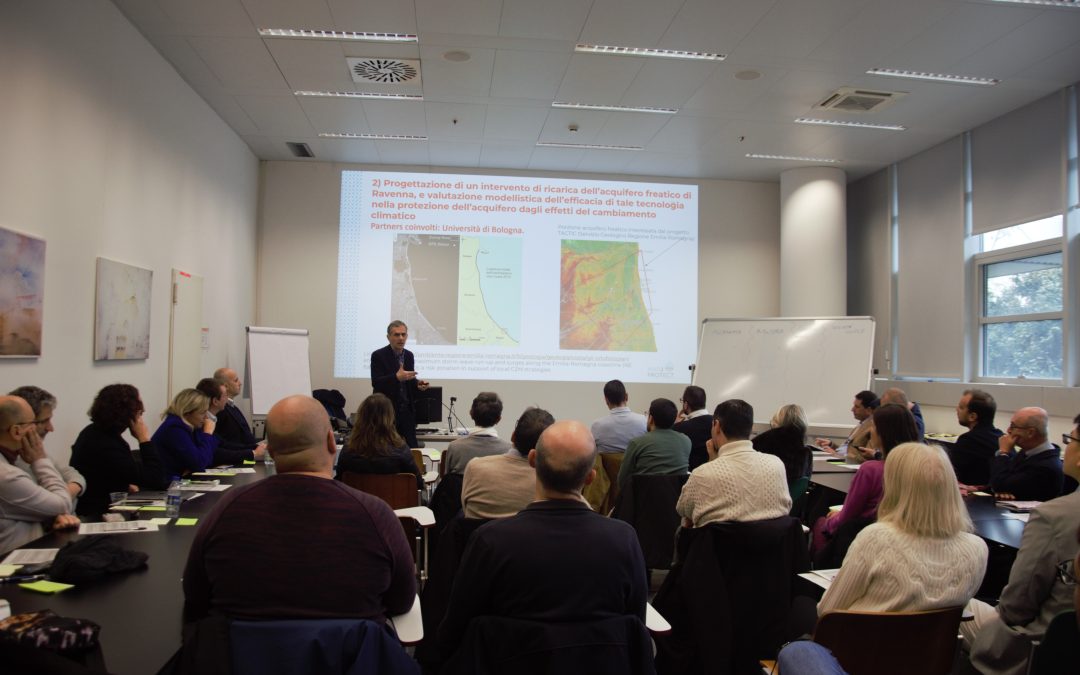
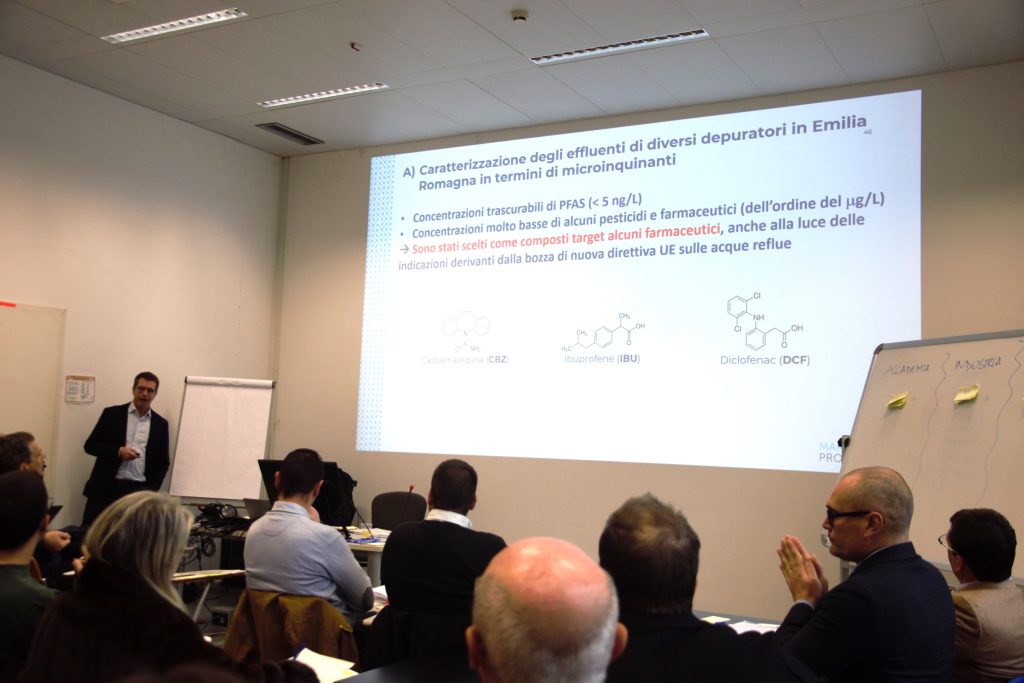
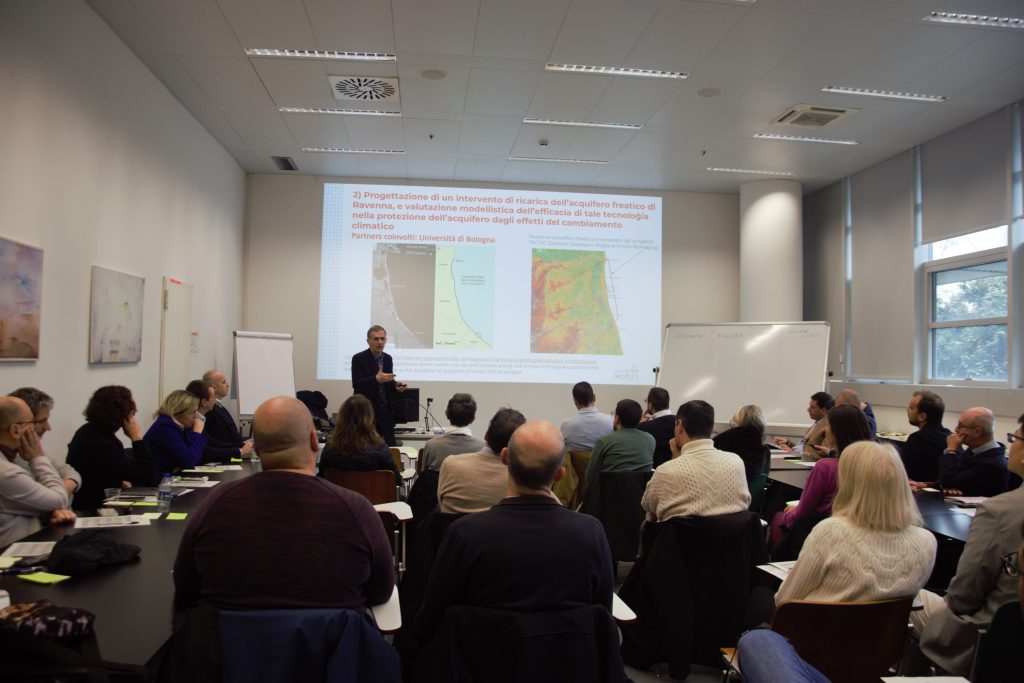
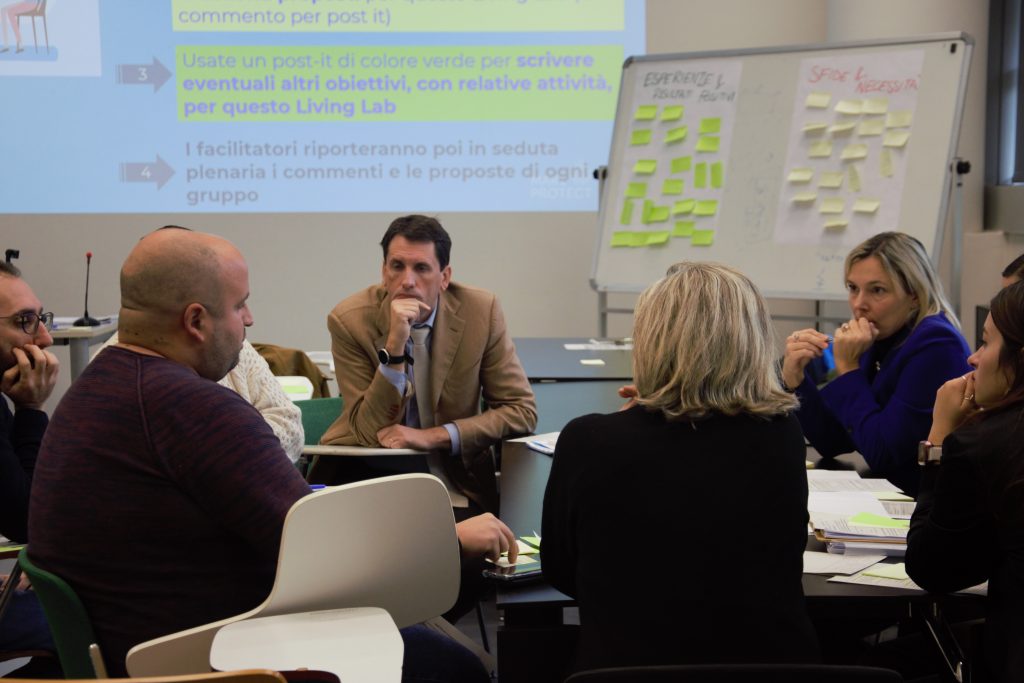
The MAR2PROTECT project was presented on February 8, 2024 at the University of Bologna, in the framework of a conference entitled “Innovative approaches to wastewater treatment and reuse in the era of climate change: the MAR2PROTECT, StopUP and WATERUN and projects”.
The conference, attended by 155 participants from academia, water utilities, public institutions and technology providers, was articulated in a first session dedicated to the management and treatment of urban runoff and combined sewer overflow, and a second session focused on the removal of micropollutants from wastewater and its reuse for managed aquifer recharge.
The event ended with a round table on the future perspectives of wastewater treatment taking into account the proposed revision of the EU wastewater directive. The conference included a large participation of members of the LivingLab relative to the Italian case study of MAR2PROTECT, and of the Community of Practice relative to the Italian case study of the StopUP project.
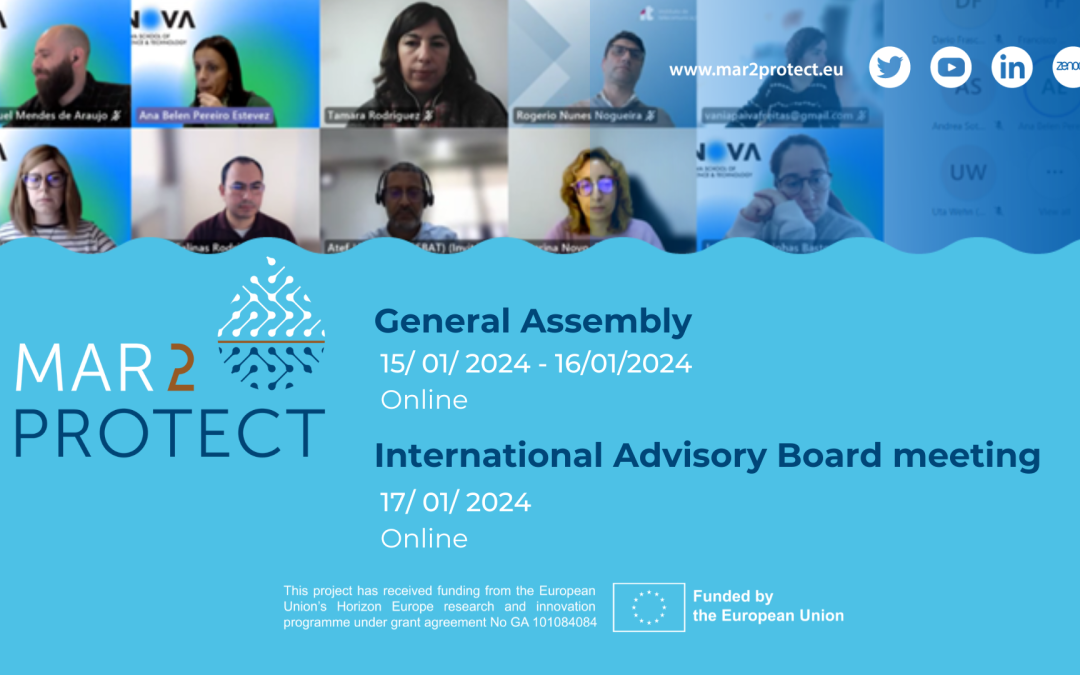
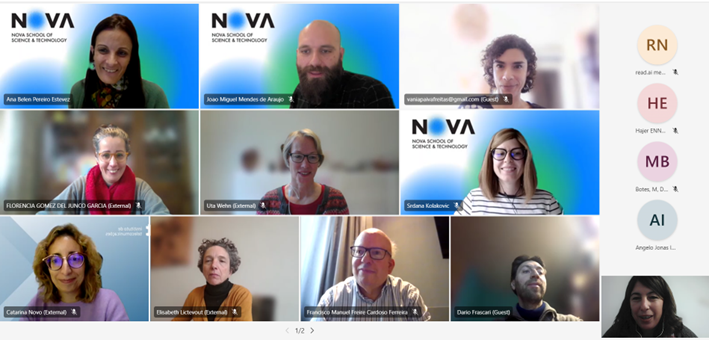
In a significant milestone towards enhancing the prevention of groundwater contamination, the esteemed partners of MAR2PROTECT met this week the International Advisory Board in a collaborative effort to improve groundwater quality and quantity.
MAR2PROTECT is a pioneering initiative,funded by Horizon Europe programme, dedicated to provide a holistic approach to prevent groundwater contamination from the impacts of climate change and global change, through different innovative technologies.
The main idea consists in a tool supported by Artificial Intelligence that will receive real-time information from sensors placed in risk locations where the technologies will be implemented, among other vitally important information (innovative technologies, preferences of social agents, risk assessment…).
The tool will allow a new generation of Managed Aquifer Recharge approach to improve groundwater quality and quantity. The core of the innovative Managed Aquifer Recharge is the M-AI-R Decision Support System which will incorporate technological and societal engagement information using an Artificial Intelligence-based evaluation to improve groundwater quality and quantity
The meeting was marked by engaging discussions and strategic planning sessions, with the primary goal of fostering a multidimensional approach to address the evolving challenges in groundwater contamination. The diverse expertise of the International Advisory Board members complemented the technical prowess of MAR2PROTECT partners, creating a synergistic environment conducive to innovation and strategic thinking.
🤝 Key Highlights from the Meeting:
Comprehensive Risk Assessment: Participants delved into a comprehensive analysis of current and emerging threats to groundwater, taking into account geopolitical dynamics, technological advancements, and environmental considerations.
Technology Integration: MAR2PROTECT partners showcased their latest advancements in sensoring, modelling and the societal engagement level for each of the demosites. The International Advisory Board provided valuable feedback on the practical implementation and scalability of these technologies.
Policy and Regulatory Frameworks: Discussions also centered around the necessity for collaborative efforts to shape effective policy frameworks that address groundwater pollution on a global scale. The meeting highlighted the importance of aligning technological innovations with regulatory requirements as well as societal engagement.
Capacity Building and Training: Recognizing the importance of human capital in ensuring those challenges, the partners explored the progress of the Living labs methodology implemented, where a series of interaction Events are being planned to cocreate innovative solutions.
🌊 Two days for a General Assembly
The week started with a two days internal meeting where partners shared their progress and next steps and discussed about different challenges faced such as Sensoring, Demosites situation, Life Cycle Assesment or societal engagement.
On 1 February, the project will also bring together the International Community of Practice made up of experts from different non-EU countries in the field of the impact of Climate or Global Change on Groundwater and international representatives of high-impact institutions. The objectives of these meetings are to promote the co-creation and exchange of experiences, challenges and solutions, to train actors in adaptation to their local contexts or to promote the replication of the opportunities discovered.
Stay tuned for further updates as MAR2PROTECT strives to prevent groundwater contamination.
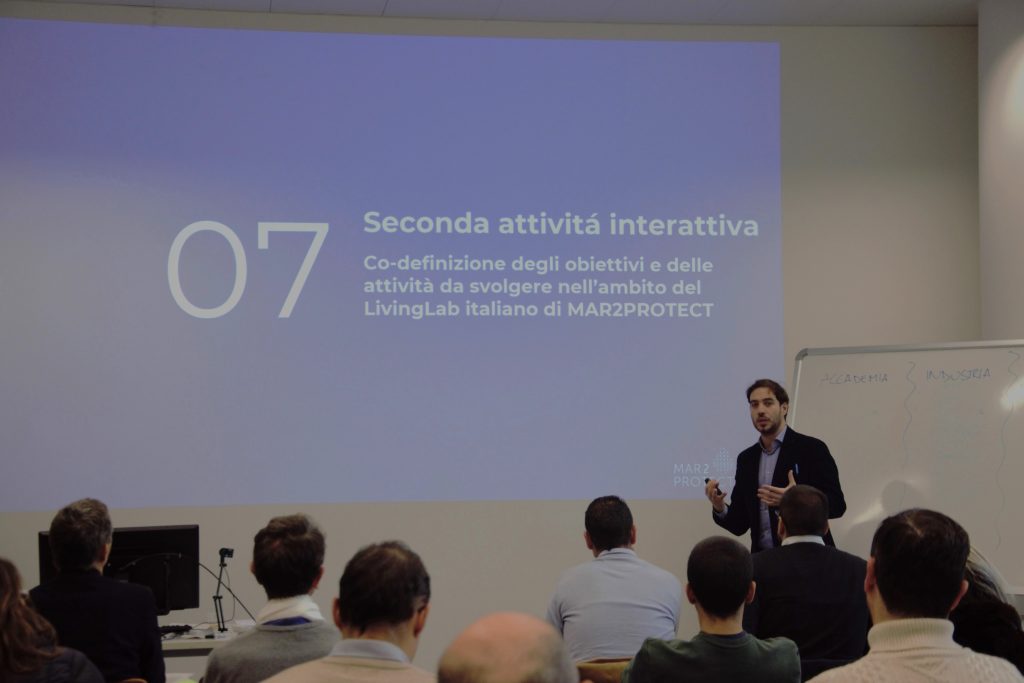
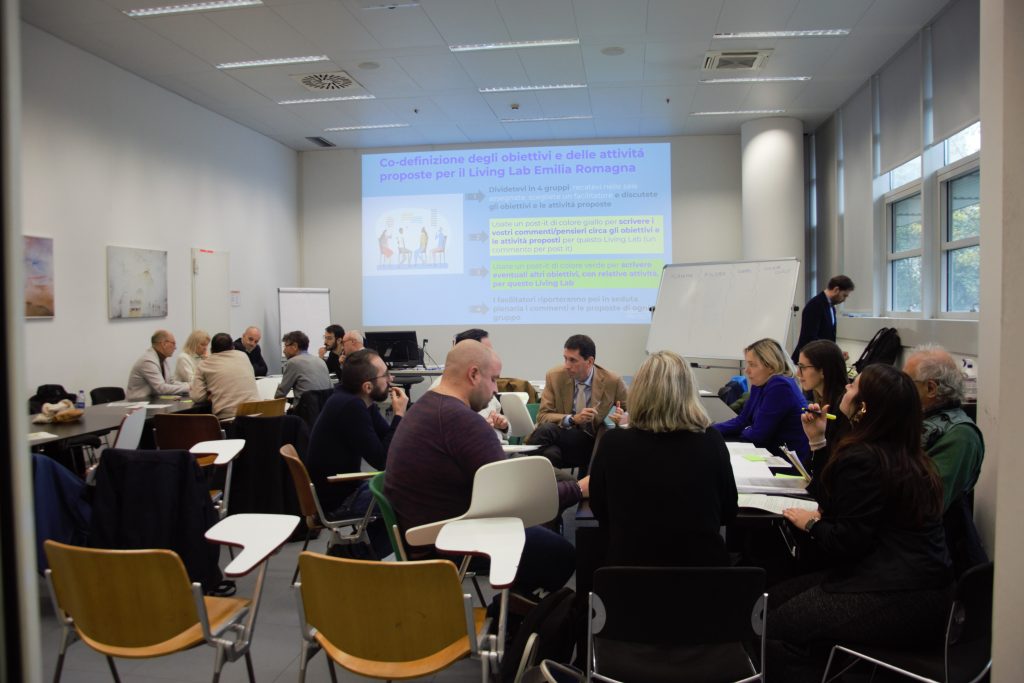
Last week, on 5 December in Bologna (Emilia Romagna, Italy), the first LivingLab of the MAR2PROTECT project was publicly launched: The Emilia Romagna Living Lab!
30 external stakeholders, representatives of various organizations, including water utilities, technology providers in the water sector, local governments, environmental protection agencies, universities and civil society organizations met with 10 researchers from the University of Bologna (Italy) 1 from IHE Delft (The Netherlands), and 3 representatives of HERA, one of the major water utilities in Northern Italy and a partner of MAR2PROTECT. During the meeting, participants shared their views on the upcoming challenges with sustainable groundwater management in Emilia Romagna, and co-designed the objectives and planned activities of the Living Lab.
We thank all participants for attending this event and sharing their valuable insights and feedback, and we look forward to working together in this Living Lab!”
MAR2PROTECT will help save the world’s groundwater from contamination through an innovative and holistic approach. This research project brings together two main strategies, the M-AI-R tool and LivingLabs, to create new approaches for safeguarding groundwater as it becomes more vulnerable in the face of climate change.
The tool M-AI-R will be placed in at-risk aquifers and receive real-time information from sensors, aiming at quantifying global change/climate change impacts on groundwater. At the same time, LivingLabs are being set up in each aquifer region, creating a space for interactions in which stakeholders are at the center of the innovation process.
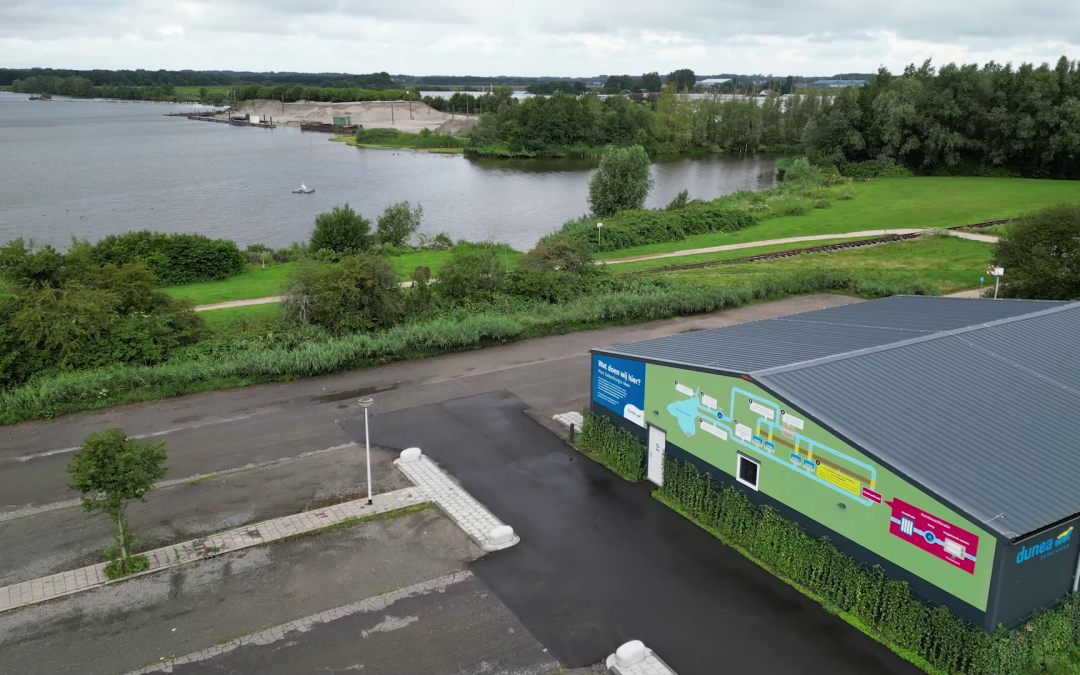
There are seven demo-sites located across Africa and Europe; South Africa, Tunisia, Netherlands, and Spain are each home to one demo-site, while Portugal is home to two. These sites have been carefully chosen by their success in previous projects as well as the climatic conditions, water sources, types of pollution, Managed Aquifer Recharge schemes and socio-political contexts.
The project kicked off in December of 2022 and will run for four years. It is funded by the Horizon Europe programme with a total cost of €4.143.681,25. MAR2PROTECT will usher in a new generation of Managed Aquifer Recharge (MAR) that engages stakeholders and enhances both groundwater quality and quantity.
Innovation experiments with stakeholders in real-life settings
A tailored methodology is currently being deployed in each demo-site to establish the LivingsLabs. These LivingLabs bring together stakeholders from citizens and civil society organizations to scientists, public sector agencies, and industry leaders. The LivingLabs consist of a series of workshops that allow stakeholders to provide feedback on the effectiveness, suitability and replication potential of the implemented technologies. Using this co-creative approach, stakeholders will also help the project identify the best ways for local societal engagement such as raising community awareness and preventing water contamination, beyond the mere implementation of the project technologies. In this way, MAR2PROTECT will carry out cutting-edge research and trigger changes in a real-life context. The first LivingLab will be launched in the Emilia-Romagna region in Italy on 5 December 2023.
A multidisciplinary consortium
MAR2PROTECT brings together 11 partners from 7 countries to form a diverse and dynamic consortium. coordinated by FCT NOVA. It involves 7 Research and Technology Organisations (CIIMAR, CETAQUA, AQUATEC, IHE, IT, ISSBAT and SUWI), 3 universities (FCT NOVA, UNIBO and KTU), and 1 technology transfer entity (FEUGA). It also includes 3 large water utilities (AdTA, Dunea and HERA), 1 university (FHNW) and a public administration (City of Cape Town) as associated partners.
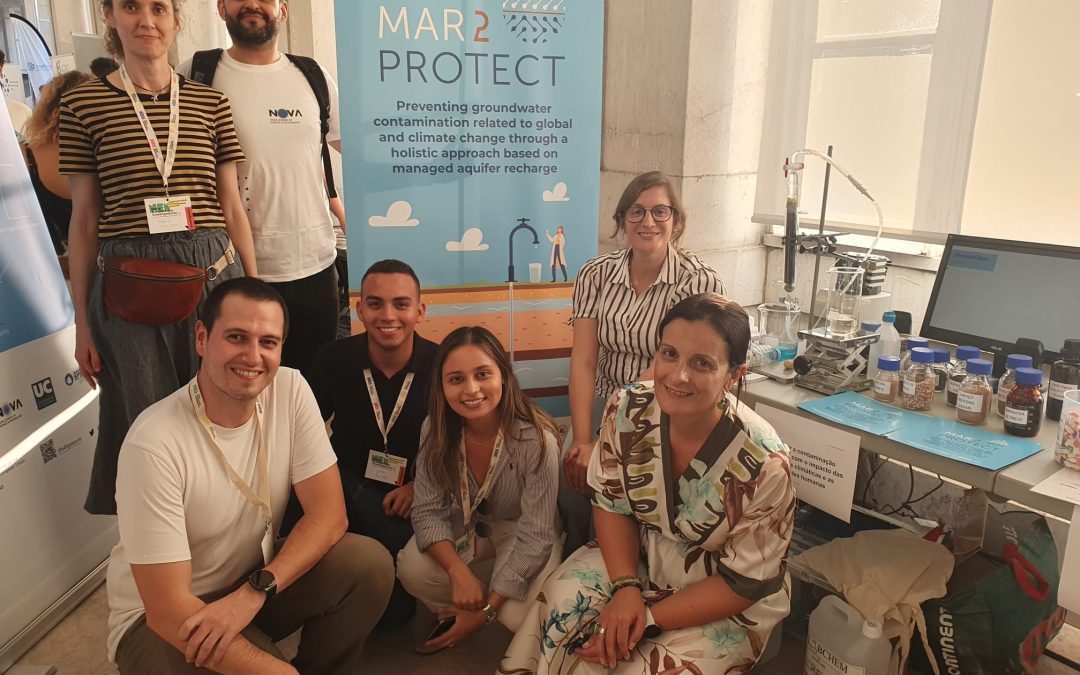
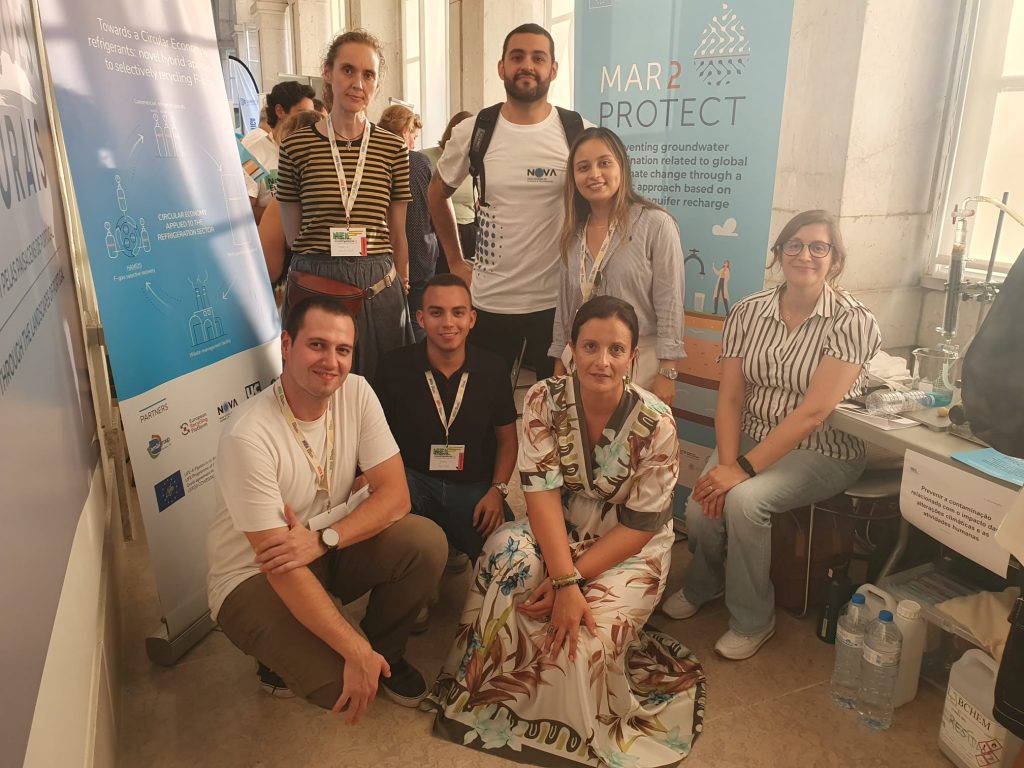
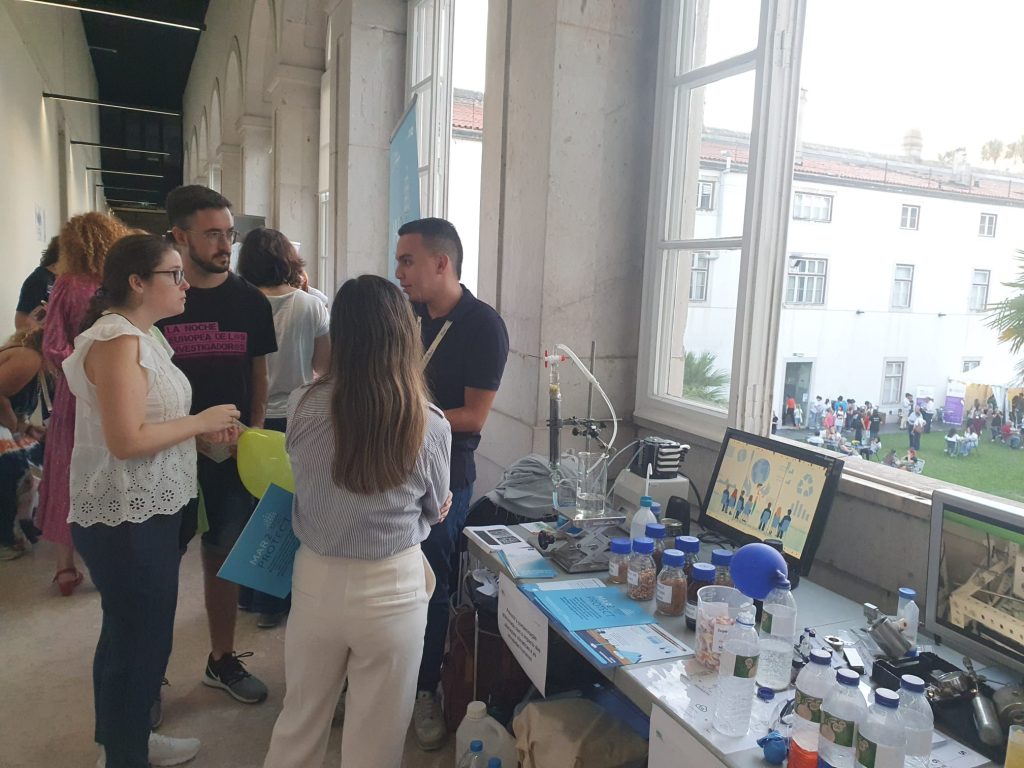
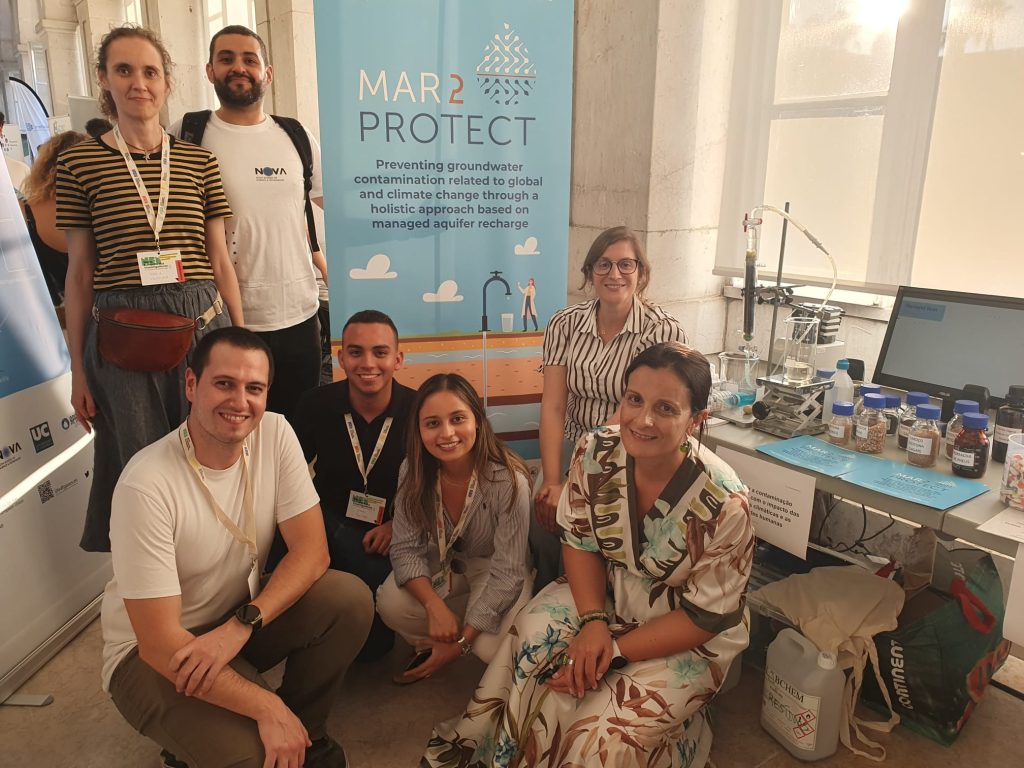
The European Researchers’ Night, an annual celebration of science and research across the continent, recently took place, and MAR2PROTECT was front and center, showcasing its commitment to cutting-edge research and innovation. As part of this prestigious event, our project had the opportunity to engage with the public, share our discoveries, and capture some memorable moments.
A Glimpse into the Event
The event was a dazzling display of knowledge, curiosity, and collaboration. Researchers, scientists, and enthusiasts from diverse fields gathered to share their work, engage in discussions, and inspire the next generation of innovators. MAR2PROTECT was honored to be a part of this dynamic environment along with NOVA members.
The European Researchers’ Night was a shining example of the power of research to transform lives and inspire the next generation of scientists and innovators. MAR2PROTECT is honored to have been a part of this enlightening event and looks forward to continuing its mission of innovation and discovery. Together, we’re shaping a brighter future!