Cape Flats, South Africa
The Cape Flats Aquifer is the major source of municipal water for Cape Town city and for irrigation. The Cape Flats Aquifer is increasingly contaminated by salinity intrusion, diffuse pollution from agriculture and micropollutants. The current groundwater extraction rate is at 100% of natural recharge and seawater intrusion is increasing. Due to climate change and the rapid increase in and food production, The Cape Flats Aquifer is expected to reach oversaturation during the next 5 years. A preliminary Managed Aquifer Recharge project with treated wastewater is starting to be developed at the basin level, to increase the The Cape Flats Aquifer recharge rate and curb salinity intrusion. To ensure a gradual improvement of The Cape Flats Aquifer water quality, Managed Aquifer Recharge needs to be associated with preventive measures aimed at decreasing diffuse pollution from agriculture.
Demosite leader: Gideon Wolfaardt
Entity: SUWI
Overview
Climate & global change expected
Mediterranean climate; high vulnerability to climate change; conflict over water
availability; diffuse pollution from agriculture
Groundwater protection technological approach
Managed Aquifer Recharge using waste water
Societal and policy context
High societal concern about water pollution and drought.
Update of the 1997 Water Act needed
Interviews
Gallery
A gallery related to Demosite based at Cape Flats (South Africa) will be display here.
News related
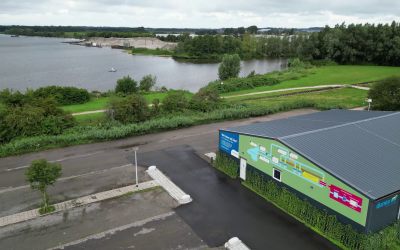
LivingLabs Empower Locals and Protect Our Aquifers: MAR2PROTECT Launches Next Phase
MAR2PROTECT will help save the world’s groundwater from contamination through an innovative and holistic approach. This research project brings together two main strategies, the M-AI-R tool and LivingLabs, to create new approaches for safeguarding groundwater as...
MAR2PROTECT Leaflet
We are glad to present our first leaflet which includes all project key information Let's take a look here
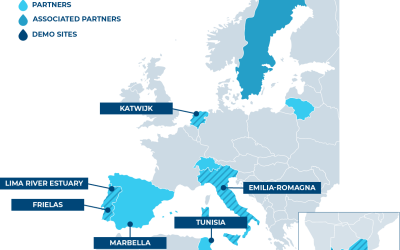
MAR2PROTECT Demosites
To ensure a high replication potential, M-AI-R Decision Support System will collect information from 7 demo sites in 4 European countries (Portugal, Italy, Spain, Netherlands) and 2 in non-European countries (Tunisia, South Africa). These demo sites were selected to...