Water speaks louder than words in Brussels: MAR2PROTECT parliamentary session sets the agenda for Europe’s water future

Water speaks louder than words in Brussels: MAR2PROTECT parliamentary session sets the agenda for Europe’s water future

Groundwater protection, data-driven policymaking, and the future of digital water governance took centre stage in Brussels on 2 June, as policymakers, researchers, and EU representatives gathered for a high-level parliamentary session organised by the MAR2PROTECT project.

Held against the backdrop of ongoing European discussions on environmental legislation, sustainability, and competitiveness, the event delivered a clear message: safeguarding Europe’s groundwater resources is no longer an environmental option but a strategic necessity.

The session formed part of a broader parliamentary debate on pollution reduction, climate resilience, and sustainable resource management, reinforcing water’s pivotal role in Europe’s green and digital transitions.

Groundwater Moves to the Top of the Policy Agenda

As the European Union seeks to strengthen its environmental ambitions while maintaining economic competitiveness, groundwater emerged as a critical issue linking environmental protection, public health, climate adaptation, and long-term economic resilience.

Discussions highlighted the need for more integrated approaches to water management, recognising that groundwater ecosystems are essential to the health of the entire hydrological cycle and must be considered within a broader systems perspective.

Science Must Drive Water Policy

A recurring theme throughout the session was the importance of ensuring that science remains at the heart of policymaking.

Rolf-Jan Hoeve (DG RTD) stressed that scientific evidence must continue to guide Europe’s water policies, particularly as policymakers confront increasingly complex environmental challenges.

Speakers called for a shift away from fragmented sectoral approaches towards integrated water governance that reflects the interconnected nature of ecosystems, water resources, and human activities.

Looking ahead, digitalisation and artificial intelligence were identified as transformative tools for the future of water management. Vasileios Tyriakidis (REA) highlighted their growing potential to improve monitoring systems, strengthen early-warning capabilities, and support evidence-based decision-making in the post-2027 programming period.

From Research Results to Real-World Impact

The debate also focused on the challenge of translating scientific knowledge into practical solutions.

Participants agreed that Europe already possesses a strong scientific foundation and significant technological capacity. The priority now is to accelerate the deployment of proven solutions and ensure that research outcomes effectively support policy implementation.

Isaac Ojea (DG RTD) underlined the importance of harmonising monitoring methodologies across Member States and improving electronic reporting systems. While digital reporting is increasingly essential, he noted that reporting processes must become simpler, more efficient, and easier for stakeholders to use.

Addressing the importance of robust evidence for policymaking, Bertha Vallejo (IHE Delft) emphasised that comparable data is fundamental to informed decision-making. She noted that, in some contexts, limiting reporting requirements to a smaller number of pollutants has helped reduce complexity while enabling monitoring systems to be scaled more effectively across different local settings.

Vasileios Tyriakidis (REA) further stressed that groundwater ecosystems should be recognised as a priority area for future European research and innovation investments, particularly as digital technologies become increasingly central to environmental governance.

Rethinking Society’s Relationship with Water

Beyond policy and technology, the session offered broader reflections on how society values water.

MEP Helder Sousa Silva drew attention to the paradox that water, despite being indispensable for life, is often perceived as less valuable than other essential resources. Comparing water prices with those of electricity, he questioned whether current economic signals adequately reflect water’s true societal importance.

Rolf-Jan Hoeve (DG RTD) highlighted another disconnect while citizens can easily access real-time information through digital applications—from public transport schedules to weather forecasts—equally accessible information on water quality and contamination remains largely unavailable. Improving public access to environmental information, he argued, could play an important role in raising awareness and strengthening public engagement.

The discussion also addressed the growing challenge of misinformation and public perception surrounding water-related environmental risks. Ana Pereiro (MAR2PROTECT Coordinator) highlighted the need for clearer communication on the links between climate change and water quality, particularly regarding contaminants of emerging concern such as PFAS.

She noted that while microplastics have become widely recognised by the public and frequently feature in media coverage, other pollutants with potentially significant long-term impacts on water resources often receive far less attention. This imbalance in public perception can create knowledge gaps and make it more difficult to build awareness around emerging threats to groundwater ecosystems.

Pereiro stressed that improving educational roadmaps will ensure that citizens have access to reliable, evidence-based information will be essential for fostering informed public debate and supporting effective water policies in the years ahead.

Key Priorities for the Future of Water Governance

The discussion identified several priorities for strengthening water governance across Europe:

  • Simplifying electronic reporting systems across Member States.
  • Harmonising monitoring methodologies to improve data comparability.
  • Developing adaptive monitoring frameworks tailored to local environmental conditions.
  • Regularly updating pollutant lists based on emerging scientific evidence and new environmental risks.
  • Accelerating the uptake of digital technologies and artificial intelligence in water management.

A clear political conclusion

Against the backdrop of the 2 June 2026 European Parliamentary agenda, the MAR2PROTECT session reinforced a central conclusion:

Groundwater protection is not only an environmental objective — it is a strategic pillar of Europe’s resilience, competitiveness, and long-term sustainability.

Key points from Water Europe and ZeroPollution4Water Cluster representatives emphasized the value of collaborative action, harmonized monitoring approaches, and evidence-based policymaking to drive the transition towards a resilient and pollution-free water environment.

From within this political context, the MAR2PROTECT project continues its mission to strengthen the link between science, policy, and innovation, ensuring that Europe protects its most vital resource: water. We extend our sincere thanks to all panellists for their valuable contributions and for helping turn dialogue into tangible action.

Take a look at the video down below! 

Cape Flats Aquifer Living Lab engages local community in water awareness activities

Cape Flats Aquifer Living Lab engages local community in water awareness activities

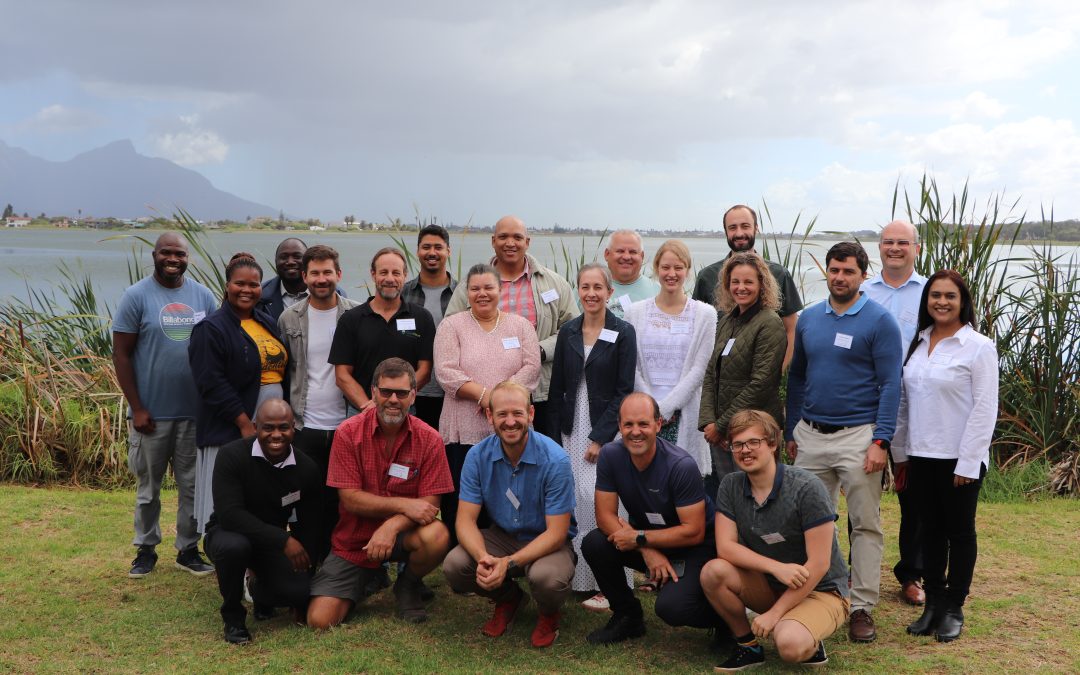
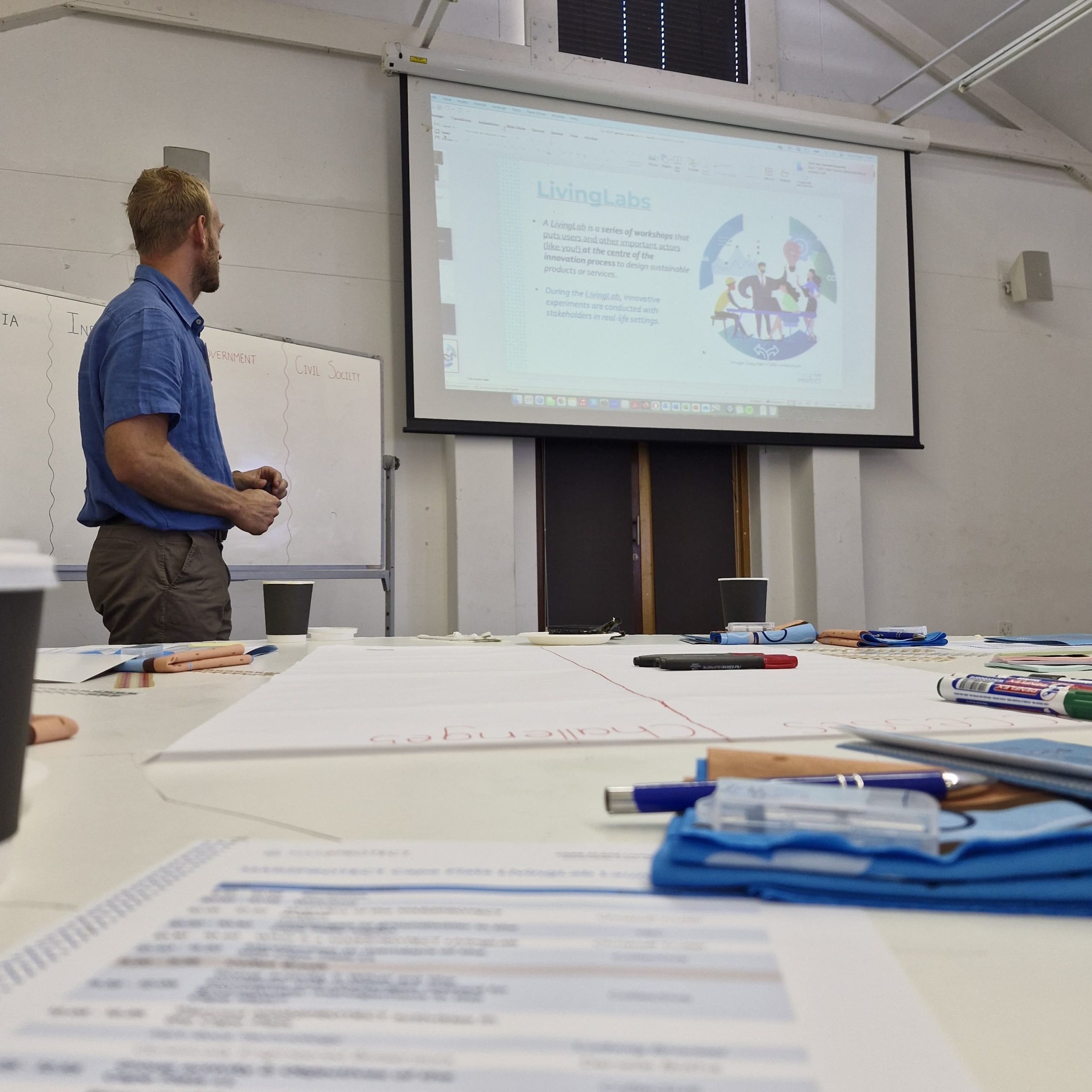
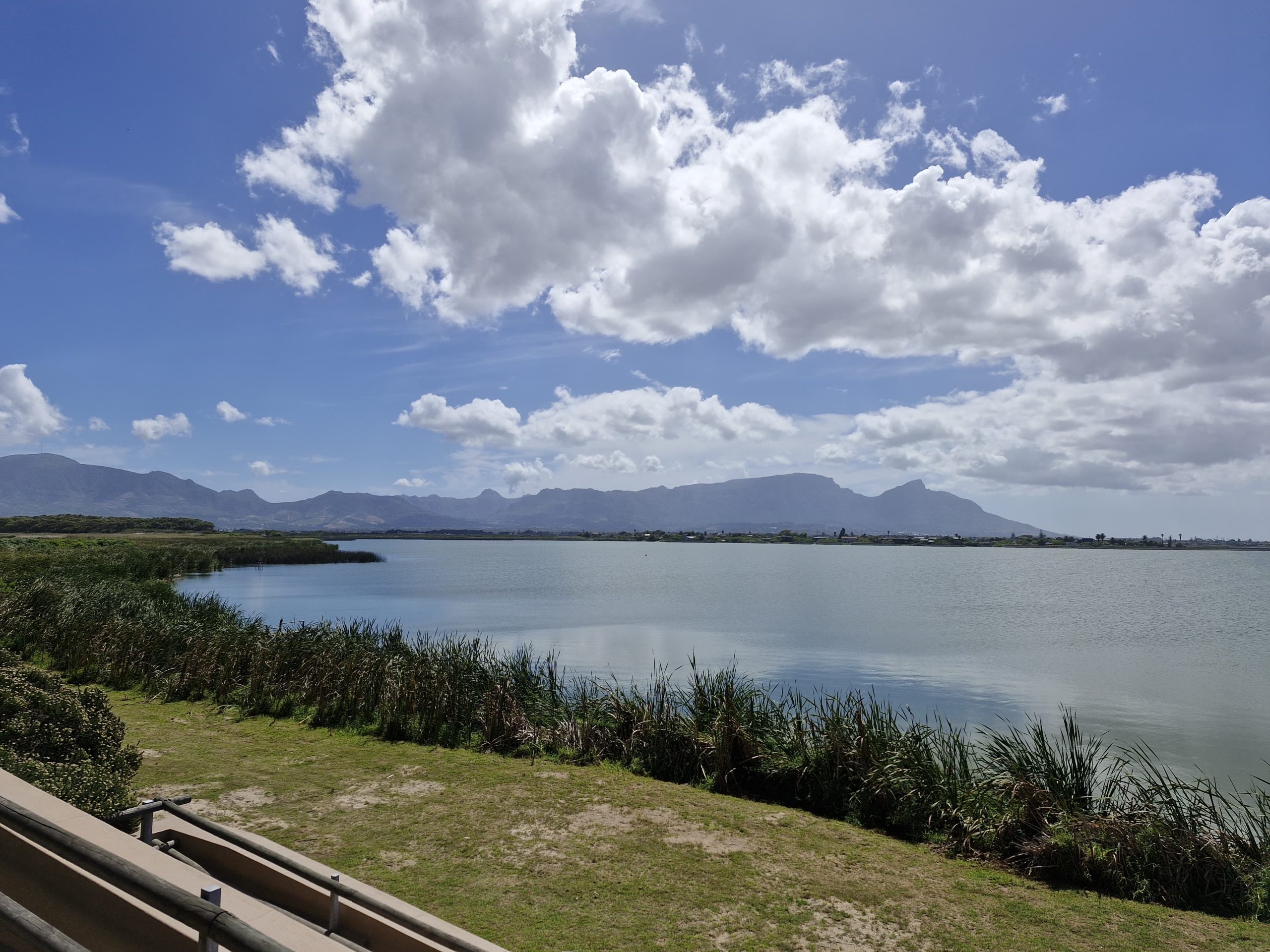
The MAR2PROTECT Cape Flats Aquifer Living Lab recently hosted an outreach event with the Tafelsig Community Group from the Wolfgat Nature Reserve Educational Centre in Cape Town.

The activity aimed to raise awareness of the importance of surface water and groundwater resources in the Cape Flats and the wider Cape Town area, highlighting both their environmental and societal value.

As part of the programme, participants visited two river sites with contrasting conditions, one affected by pollution and another in a more pristine state. This field-based approach enabled participants to directly observe the impacts of human activities on water systems and better understand the importance of preventing pollution.

The event also included practical demonstrations led by experts from the public sector and academia, who introduced participants to water monitoring techniques and key concepts such as water quality, biomonitoring and ecosystem services. These interactive sessions helped bridge scientific knowledge and community understanding.

The outreach activity was organised by Stellenbosch University Water Institute in collaboration with Department of Water and Sanitation, Western Cape Department of Environmental Affairs and Development Planning, City of Cape Town, Return on Ecology and South African National Parks.

The event highlighted the key role of local communities in protecting water resources. The active participation and strong environmental commitment shown by attendees underline the importance of inclusive and participatory approaches, which are at the core of the MAR2PROTECT Living Lab methodology.

MAR2PROTECT Featured in the 4th Edition of the ICT4Water Newsletter

MAR2PROTECT Featured in the 4th Edition of the ICT4Water Newsletter

MAR2PROTECT has been featured in the 4th edition of the ICT4Water Newsletter, showcasing our latest interview with our project coordinator Ana Pereiro. In the conversation, Ana discussed the recently updated EU list of priority pollutants and its far-reaching implications for water quality and management across Europe.

Take the opportunity to read the full interview where we reflected on the list of pollutants affecting surface and groundwater. The update includes new pesticides, pharmaceuticals, and PFAS and strengthens environmental quality standards as well as monitoring requirements across Member States. It modernises key pillars of EU water legislation, including the Water Framework Directive, the Groundwater Directive, and the Environmental Quality Standards Directive, ensuring that regulations reflect the latest scientific evidence.

We are proud to be part of the ICT4Water spotlight, helping MAR2PROTECT reach wider audiences and contribute to a more sustainable groundwater management. The ICT4Water cluster serves as a central hub for EU-funded research projects that leverage information and communication technologies (ICT) to improve water management. By fostering collaboration and knowledge exchange, ICT4Water connects projects, policymakers, and key stakeholders working toward smarter and more efficient water solutions.

MAR2PROTECT at TIAC 2026: Advancing Solutions for Coastal Aquifer Protection

MAR2PROTECT at TIAC 2026: Advancing Solutions for Coastal Aquifer Protection

From 11–13 March 2026, our partners at CETAQUA participated in the Spanish-Portuguese Symposium on Marine Intrusion Technology in Coastal Aquifers (TIAC 2026), held in Alicante. The event brought together leading experts, researchers, practitioners, and water managers from Spain, Portugal, and beyond to exchange knowledge and share the latest advances in monitoring, modelling, and managing seawater intrusion in coastal aquifers.

During the symposium, Isabel Gamallo Paz from CETAQUA represented MAR2PROTECT through an oral presentation entitled: MAR2PROTECT: Managed Aquifer Recharge as a Measure for the Preservation of Coastal Groundwater Bodies: The Marbella–Estepona Case Study.The presentation highlighted innovative approaches to managed aquifer recharge (MAR) as a key strategy to protect vulnerable coastal groundwater systems, showcasing practical applications and insights from the Marbella–Estepona case study (demosite 6).

TIAC 2026 provided a valuable platform for collaboration and dialogue, fostering the exchange of knowledge, the exploration of emerging methodologies, and the discussion of sustainable solutions for groundwater protection and management.

Aligning Science and Policy: The EU’s New Water Pollutants Framework

Aligning Science and Policy: The EU’s New Water Pollutants Framework

Council of the European Union has formally adopted an updated list of pollutants affecting surface water and groundwater (17 February, Brussels), marking a significant development in EU water policy. The revised list of priority substances now includes additional pesticides, pharmaceuticals, and PFAS, while tightening environmental quality standards and strengthening monitoring obligations across Member States.

The update revises key pillars of EU water legislation, including the Water Framework Directive, the Groundwater Directive, and the Environmental Quality Standards Directive, aligning them with the latest scientific evidence. The European Parliament is expected to hold the final vote by the end of March.

Within MAR2PROTECT, this update aligns strongly with our mission to protect groundwater management. We interviewed Ana Pereiro, MAR2PROTECT Coordinator, to gather her perspective on the updated list and what it means for European water governance.

Science Must Drive the Lists

Ana Pereiro welcomes the scientific basis behind the new priority substances list:

“All the substances now being added are typically six-carbon chain and above. I fully agree with that. They are bioaccumulative, they are toxic.”

Her view reflects growing scientific consensus that longer-chain PFAS and similar persistent substances pose higher risks due to their ability to accumulate in organisms and ecosystems over time. However, she also stresses that regulatory lists must remain dynamic:

“I believe the lists should remove substances that have already been phased out or banned, and incorporate those for which there is clear scientific evidence — substances that are non-essential and have proven impacts on health and ecosystems.”

For Pereiro, regulation should not be static. Instead, it must continuously evolve as science advances.


The “Cocktail Effect”: More Than the Sum of Its Parts

A critical point raised in the interview is the so-called cocktail effect — the combined impact of multiple pollutants interacting together.

“The cocktail effect is much more powerful in landfill leachates than in an aquifer. Concentrations are higher because pollutants come from multiple products, and the complexity of the mixture increases the overall impact.”

This highlights a regulatory challenge: while individual substances may meet safety thresholds, their combined presence can amplify toxicity. This is especially relevant for complex waste streams and downstream aquatic environments.


The Case of TFA: A Persistent Gap

Ana also draws attention to trifluoroacetic acid (TFA), one of the most persistent PFAS-related compounds:

“TFA, which is highly persistent and known to have consequences for agriculture, and which travels through the entire water cycle — including via acid rain — is not included among the 20 substances listed in the Drinking Water Directive.”

She argues that TFA should be treated as a separate and specific case, given its extreme persistence and mobility. More broadly, she questions the limited scope of the Drinking Water Directive list and calls for stronger alignment across EU water directives:

Different water directives — whether for human consumption, wastewater effluent, or river discharge — may require different concentration limits. But they should refer to updated and coherent contaminant lists based on scientific evidence.”

Are Member States Ready?

If the new rules are approved in March, are EU countries ready to implement them? According to Pereiro:

“All European countries are preparing, clearly. But there are major differences.”

She compares Europe with the United States, noting that regulatory limits for individual compounds are currently much stricter in the US:

“In the United States, the maximum limits for individual compounds are much lower than in Europe.”

This comparison suggests that while Europe is advancing, there is still room to strengthen standards further.


The Replacement Dilemma: Ban or Innovate?

Beyond regulation, the long-term solution raises deeper technological and economic questions. PFAS compounds are widely used because of their unique properties — chemical stability, water and grease resistance, and durability. Replacing them entirely may not be straightforward.

Replacing these compounds is almost a utopia. Their properties are unique.”

Instead of assuming total elimination is immediately feasible, Pereiro advocates investment in safer alternatives:

We need to invest — either in fluorine-free compounds that truly maintain the required properties and are proven non-toxic and non-bioaccumulative, or in inert PFAS that are scientifically demonstrated to be safe under controlled conditions.”

She emphasizes that innovation must focus not only on performance but on verified safety for both human health and the environment.